
 Featured
Importance of Demucking for Cargo Tankers
Why demucking matters before cargo change, inspection and dry-dock — and how it protects tank readiness.
59
Read more
Articles about Turkish ports, strait transit and agency operations.
Featured
Why demucking matters before cargo change, inspection and dry-dock — and how it protects tank readiness.

How last and next cargo drive chemistry, demucking depth, HP/UHP and wall-wash targets.
What fine cleaning adds after demucking when wall-wash or charterer purity limits apply.
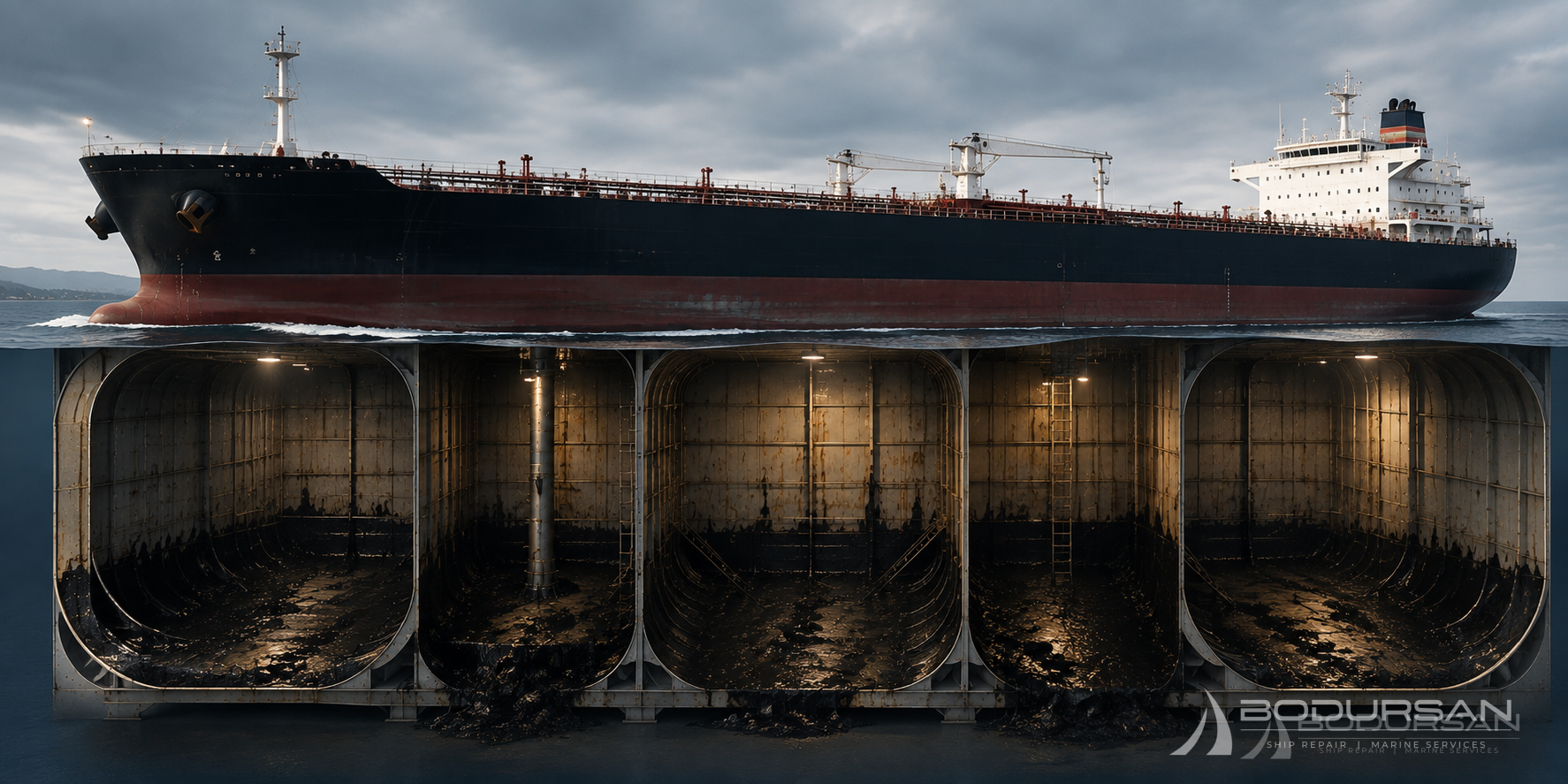
A clear definition of demucking for oil and chemical tankers — when it is needed and how it fits the cleaning sequence.
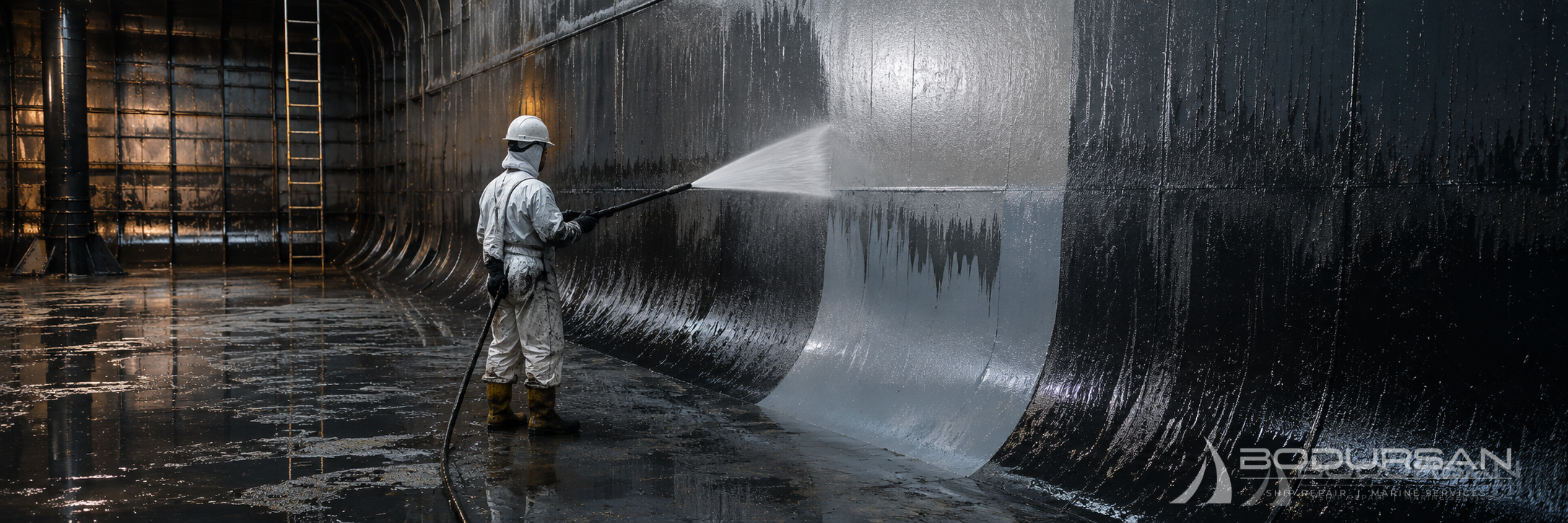
How wall-wash tests work, what fails them, and how demucking plus fine cleaning protect pass rates.
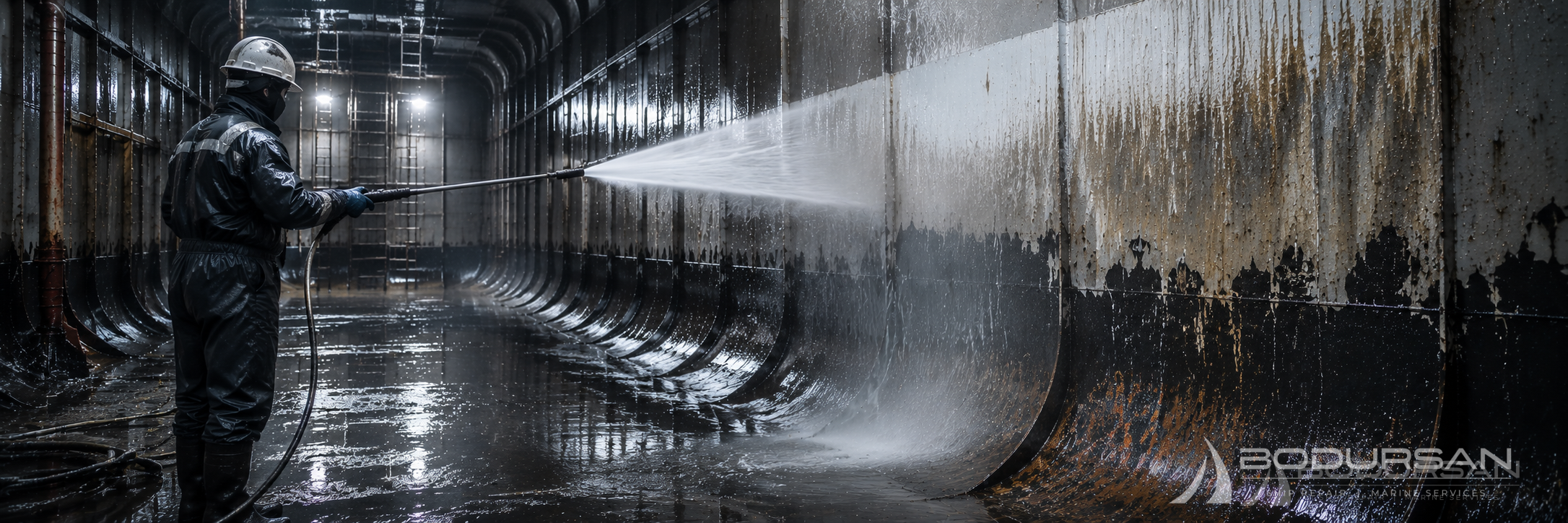
When HP and UHP jetting belong in a demucking programme — and how pressure choice protects coatings.
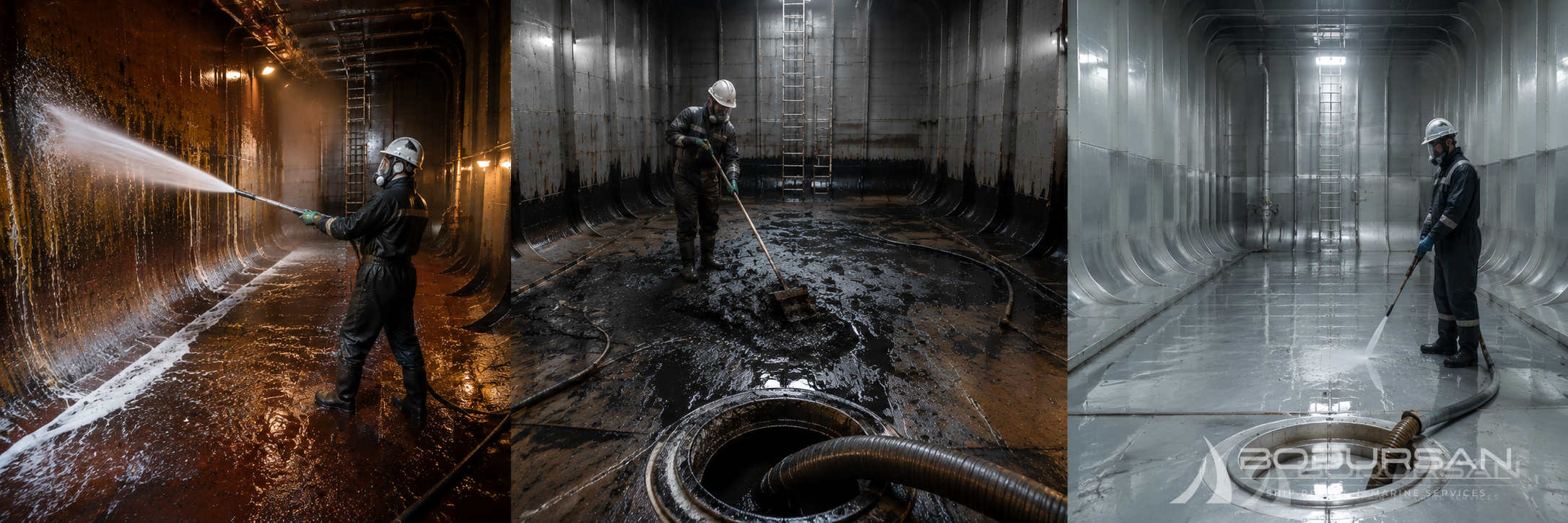
How prewash, stripping and demucking fit together so washing time and waste volumes stay under control.
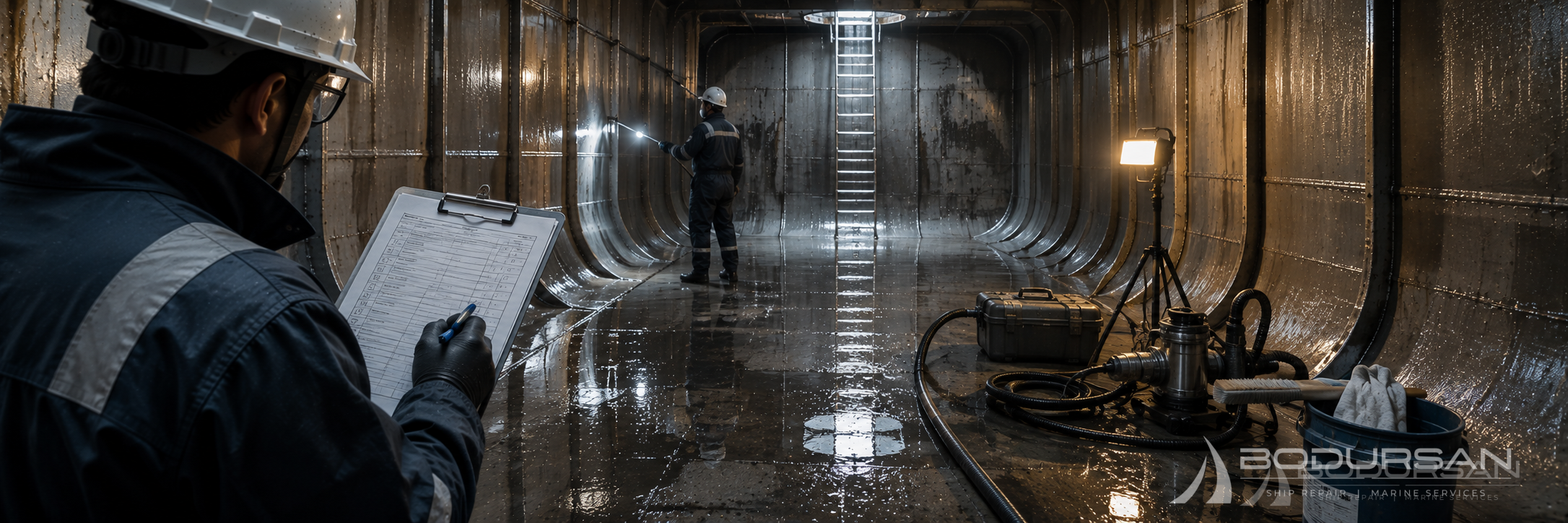
A practical checklist to bring cargo tanks to survey or inspection readiness without last-minute surprises.
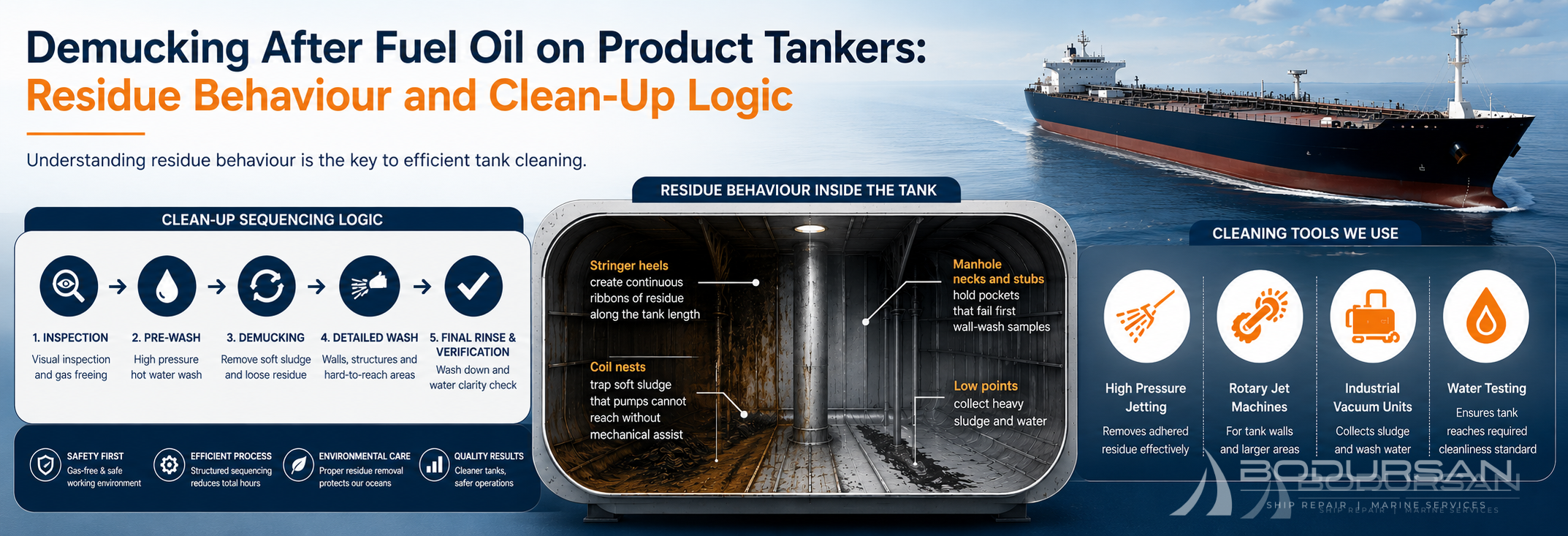
How fuel-oil histories leave sticky demuck layers on product tankers — and how to sequence mechanical clearance before wash chemistry.
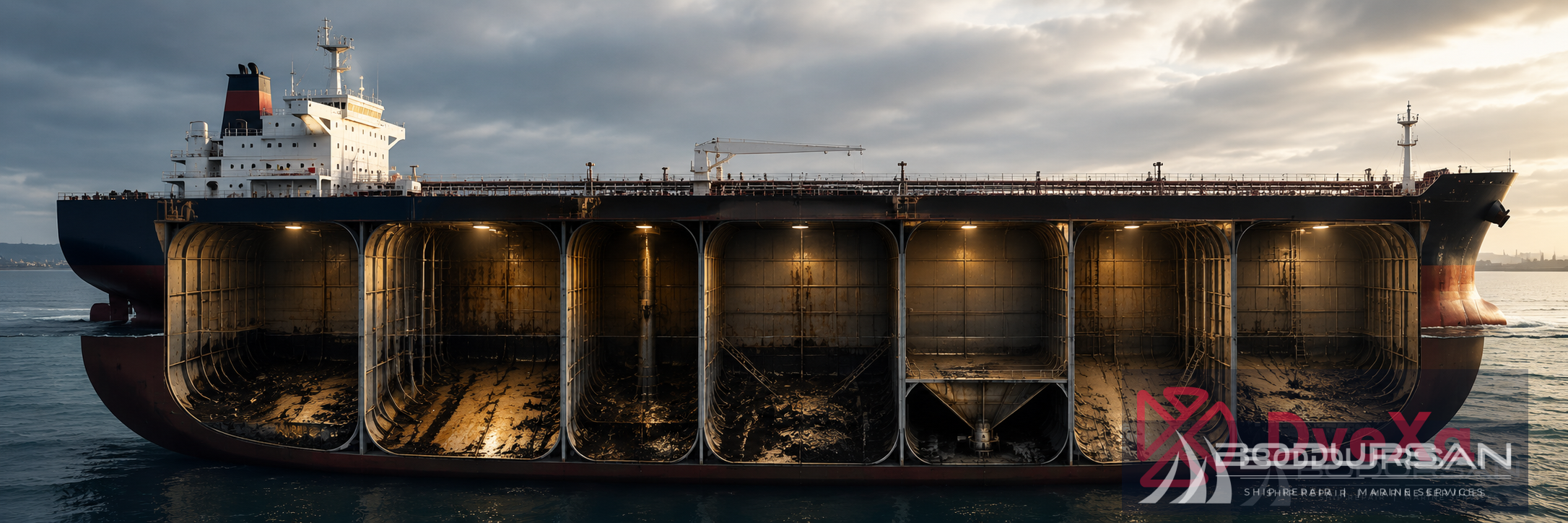
Why identical sludge volumes demuck at different speeds depending on framing density, hoppers and access — and how to brief geometry early.
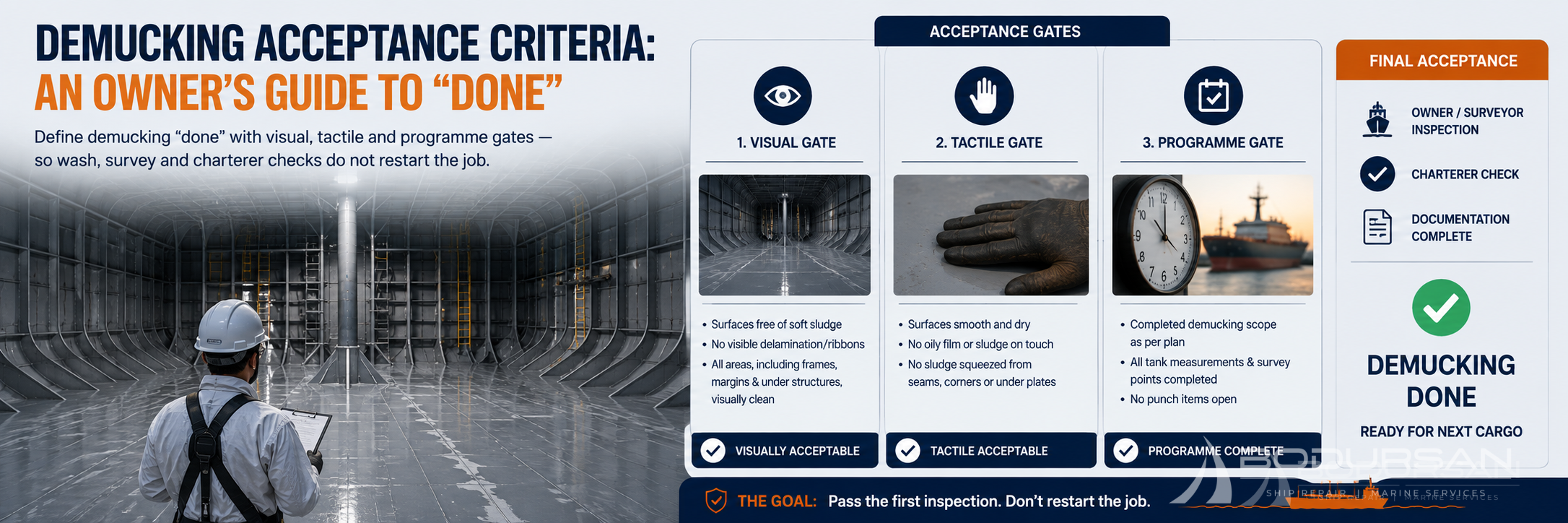
Define demucking “done” with visual, tactile and programme gates — so wash, survey and charterer checks do not restart the job.
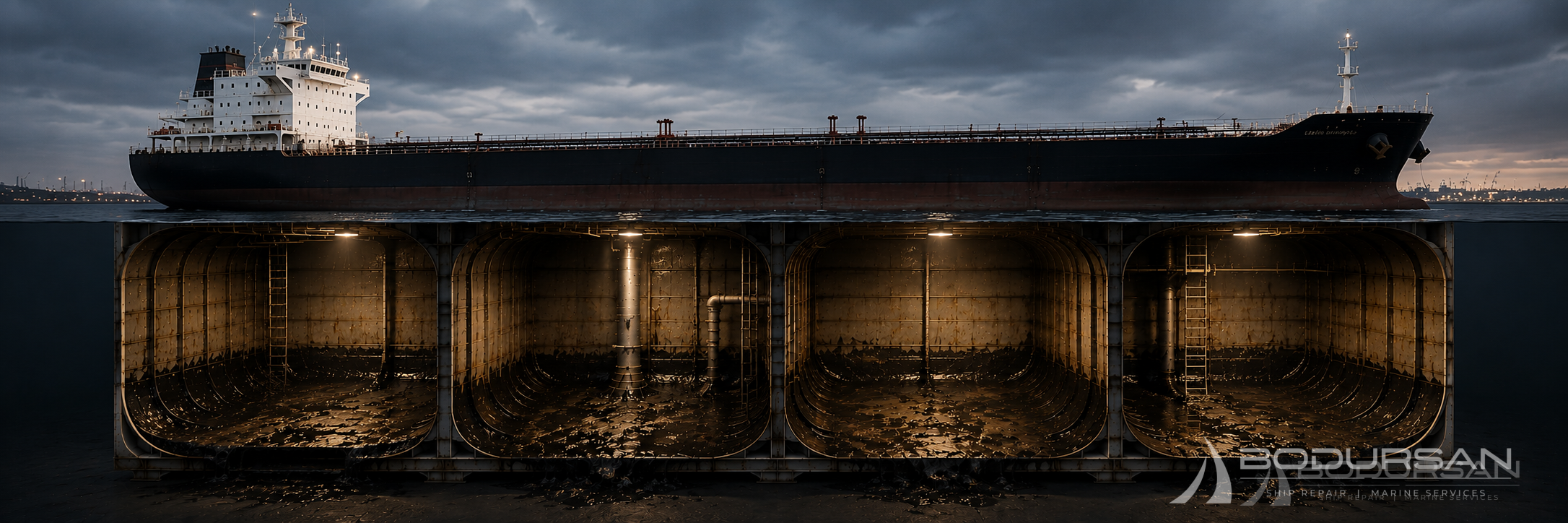
Compare demucking at anchorage and alongside — logistics, waste transfer, weather exposure and when each window makes operational sense.
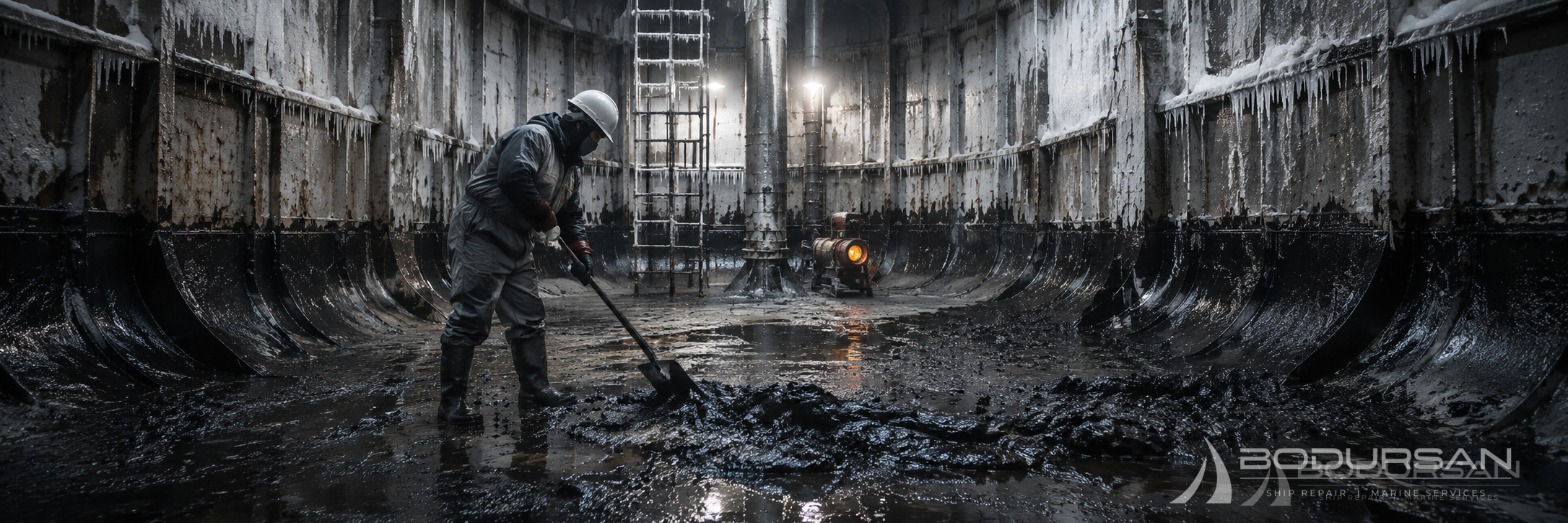
Cold plating turns fuel and crude leftovers into near-solid mats — how demucking crews adapt heat, staging and tool choice without damaging coatings.
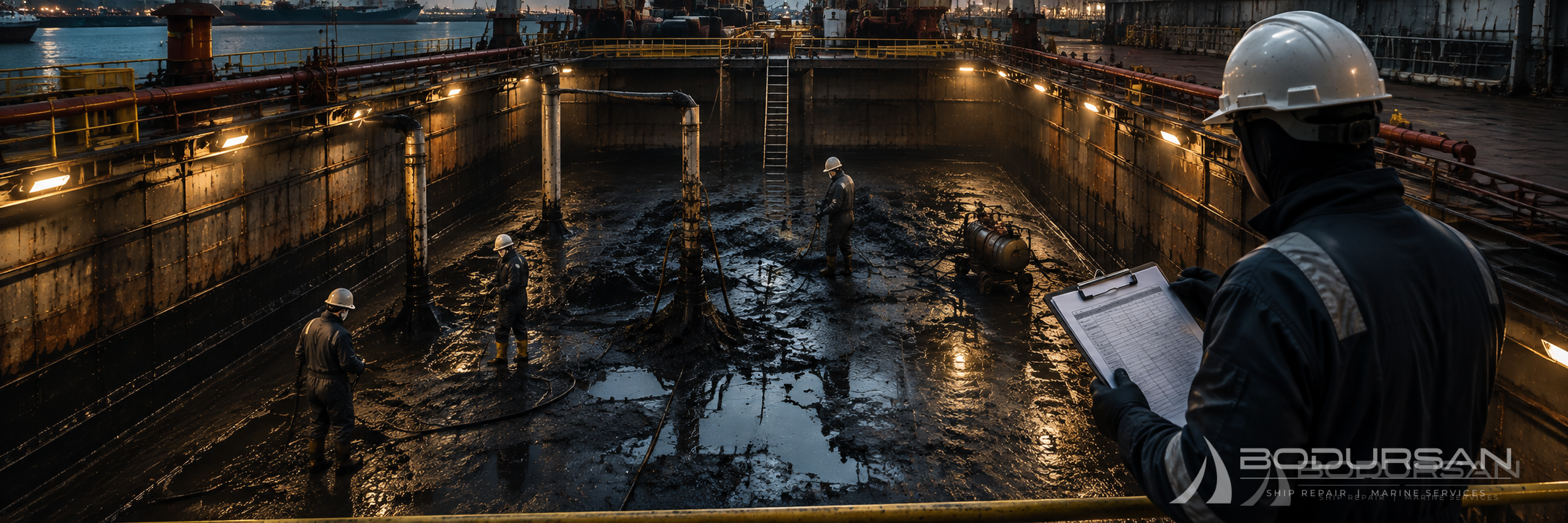
The variables that move demucking cost — residue type, geometry, location, waste path and acceptance gates — and a briefing checklist that narrows quotes.